UCU (Edited and MLA Formatted)
Currently, online discussions are buzzing about a rumored Universal Cinematic Universe (UCU) following Hollywood’s confirmation of a new Knight Rider project in development. These rumors involve reviving vehicles and fictional characters from iconic 1980s television series or updating those properties for modern audiences. I support updating these vehicles, characters, and shows to meet today’s expectations. To explain why, I will discuss Airwolf, Knight Rider, Street Hawk, The A-Team, The Six Million Dollar Man, the villains, and the potential future of these franchises.
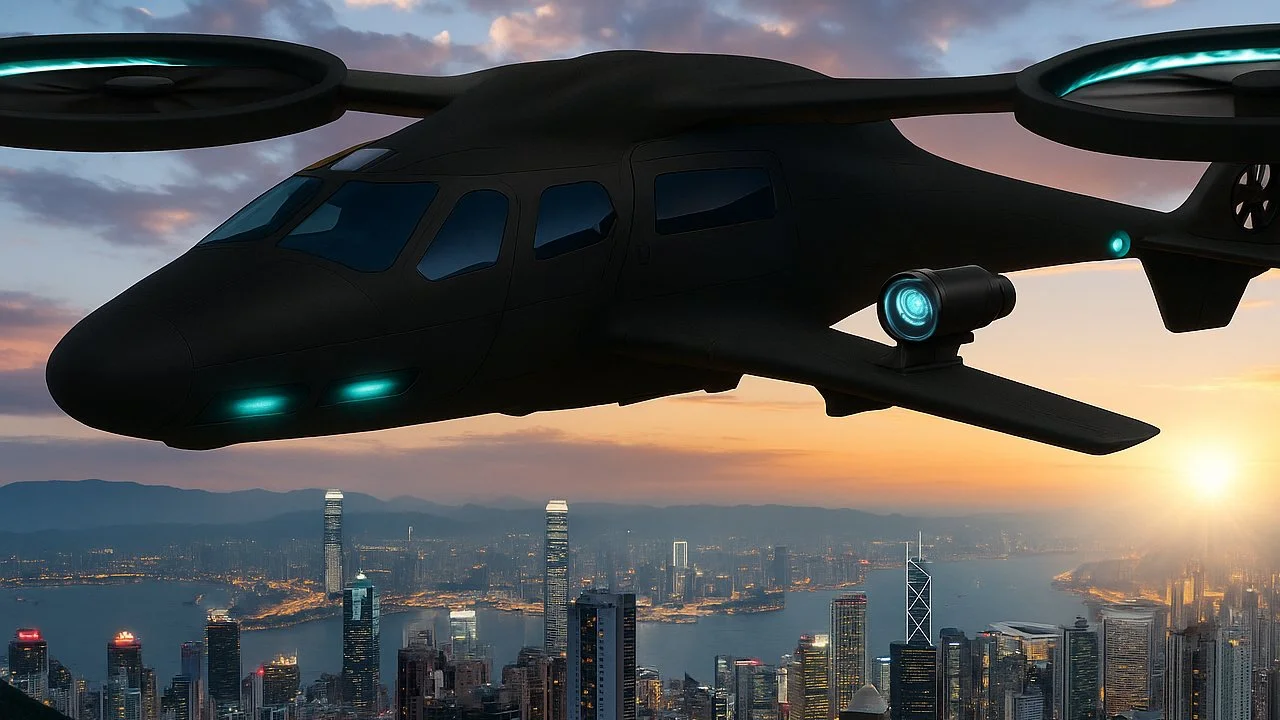
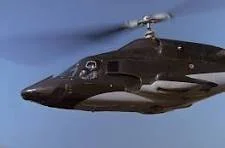
Of all the 1980s vehicles, Airwolf is the least realistic. Aviation experts have long noted that helicopters cannot reach supersonic speeds (Federal Aviation Administration). Yet, the 1980s series asked viewers to believe that a Bell 222 helicopter could fly faster than the speed of sound. While that premise captured the imagination of its era, today’s audiences—especially those familiar with modern aviation technology—may find the concept implausible. However, if producers aimed for realism, they could redesign Airwolf around a modern aircraft such as the Bell V-280 Valor, a tiltrotor capable of speeds around 280 knots (approximately 320 mph), or nearly half the speed of sound (U.S. Army Futures Command). In fiction, it would be reasonable to present a V-280-based Airwolf as an experimental aircraft that achieves brief supersonic bursts, emphasizing maneuverability over pure speed. Such a redesign would align the series with today’s technological plausibility.
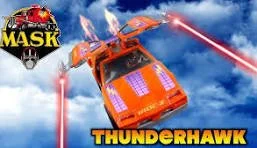
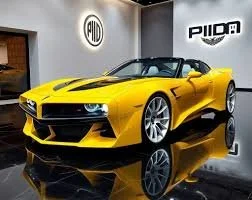
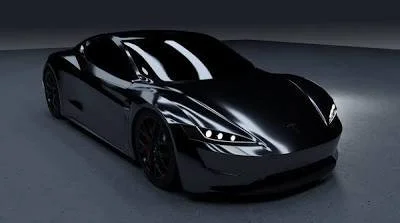
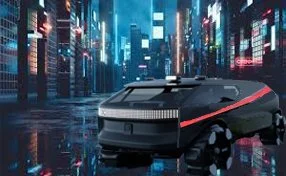
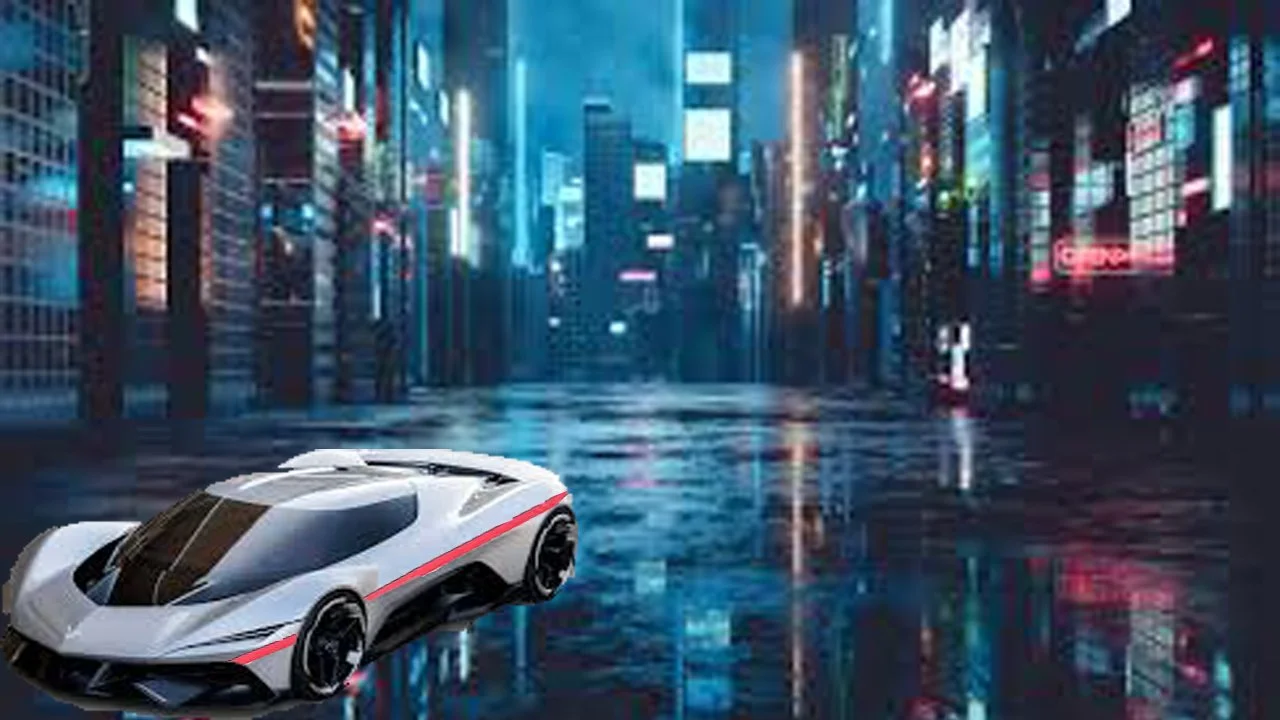
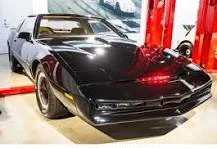
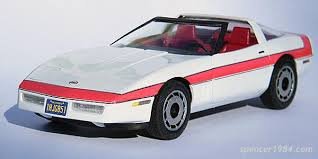
In contrast, Knight Rider’s KITT could never keep up with Airwolf without significant upgrades. Since KITT is a car, the only way to maintain parity with a modernized Airwolf would be to give KITT flight capabilities. Interestingly, the concept of a flying car isn’t far-fetched today. Several companies—including PAL-V, AeroMobil, and Jetson—have developed working prototypes of flying vehicles (BBC News). This idea parallels Hasbro’s 1980s toy line M.A.S.K., particularly the “Thunderhawk” Camaro, which resembled KITT but could transform into a flying car. Granting KITT similar functionality would not only enhance realism but also pay homage to futuristic design concepts that have persisted for decades. Additionally, updating KITT’s technology to include AI-driven connectivity and wearable smart devices, rather than the 1980s wristwatch communicator, would resonate with modern audiences.
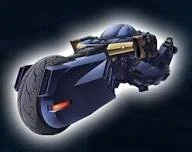
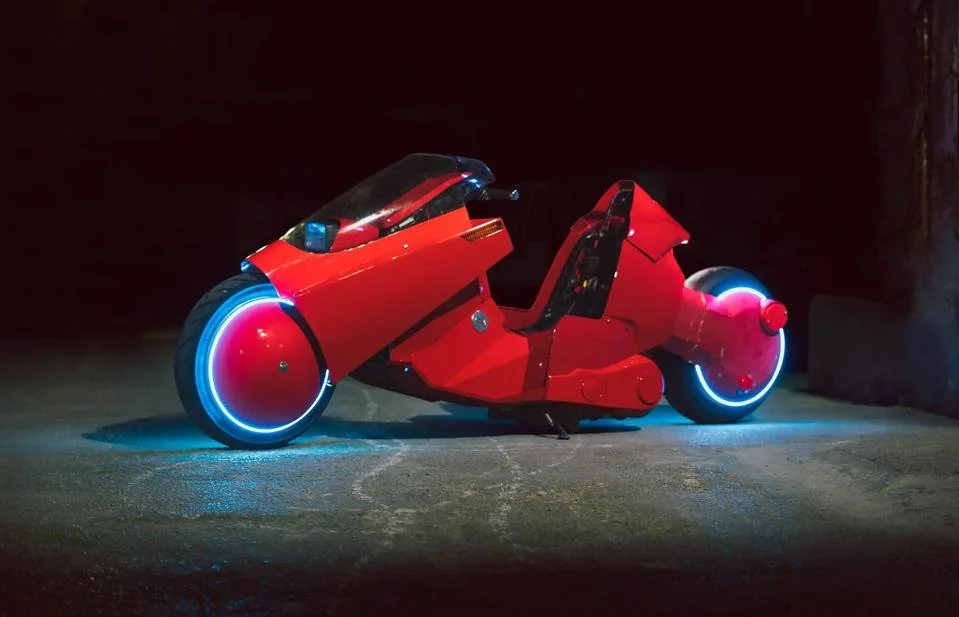
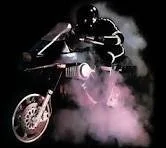
Street Hawk—a crime-fighting motorcycle capable of extreme speeds—could plausibly coexist with a modernized KITT. In the original series, Jesse Mach relied on a high-speed bike that reached up to 300 mph, but the show’s limited production budget made those speeds feel unrealistic (IMDb). A reboot should address these limitations with updated technology and safety improvements. Equipping the rider with a bulletproof exosuit, or enclosing the bike within a partial cockpit, would make Street Hawk more believable. Furthermore, reducing the number of manual controls in favor of voice commands or neural-link systems could modernize its interface. The addition of a compact vertical-lift mode—similar to a small drone or VTOL function—would allow the bike to traverse urban landscapes without endangering stunt performers, addressing one of the original series’ production issues.
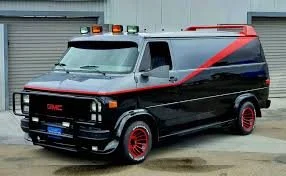
Unlike the other shows, The A-Team was never about its vehicles but about its characters—soldiers of fortune who operated outside the law. For the UCU, integrating the A-Team means upgrading their technology to match the other reimagined properties. While it would be humorous to suggest that B.A. Baracus’s iconic van could fly, it would be more practical to connect all their vehicles to a unified AI system managed by KITT. Modern society is moving toward interconnected transport networks and smart cities, with some regions—like China—experimenting with centralized AI for traffic and infrastructure control (MIT Technology Review). This futuristic setting could provide context for the A-Team’s integration into a shared cinematic universe, combining tactical ingenuity with AI-assisted mobility.
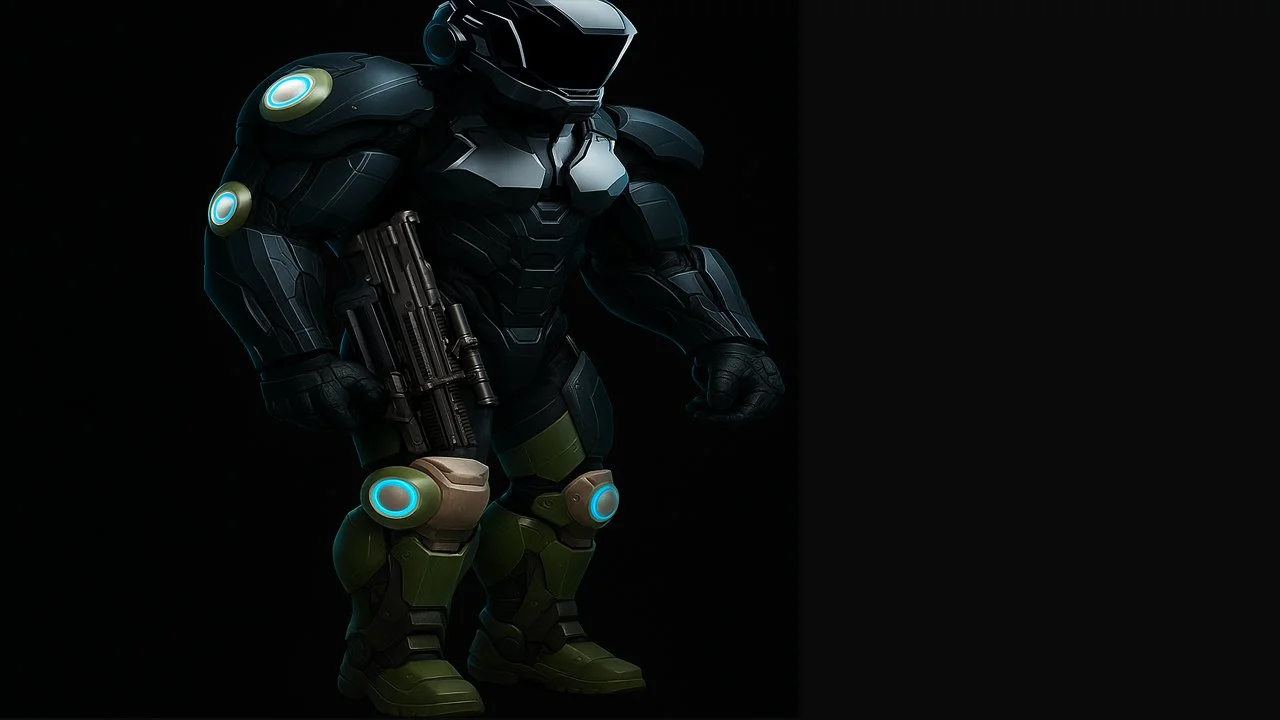
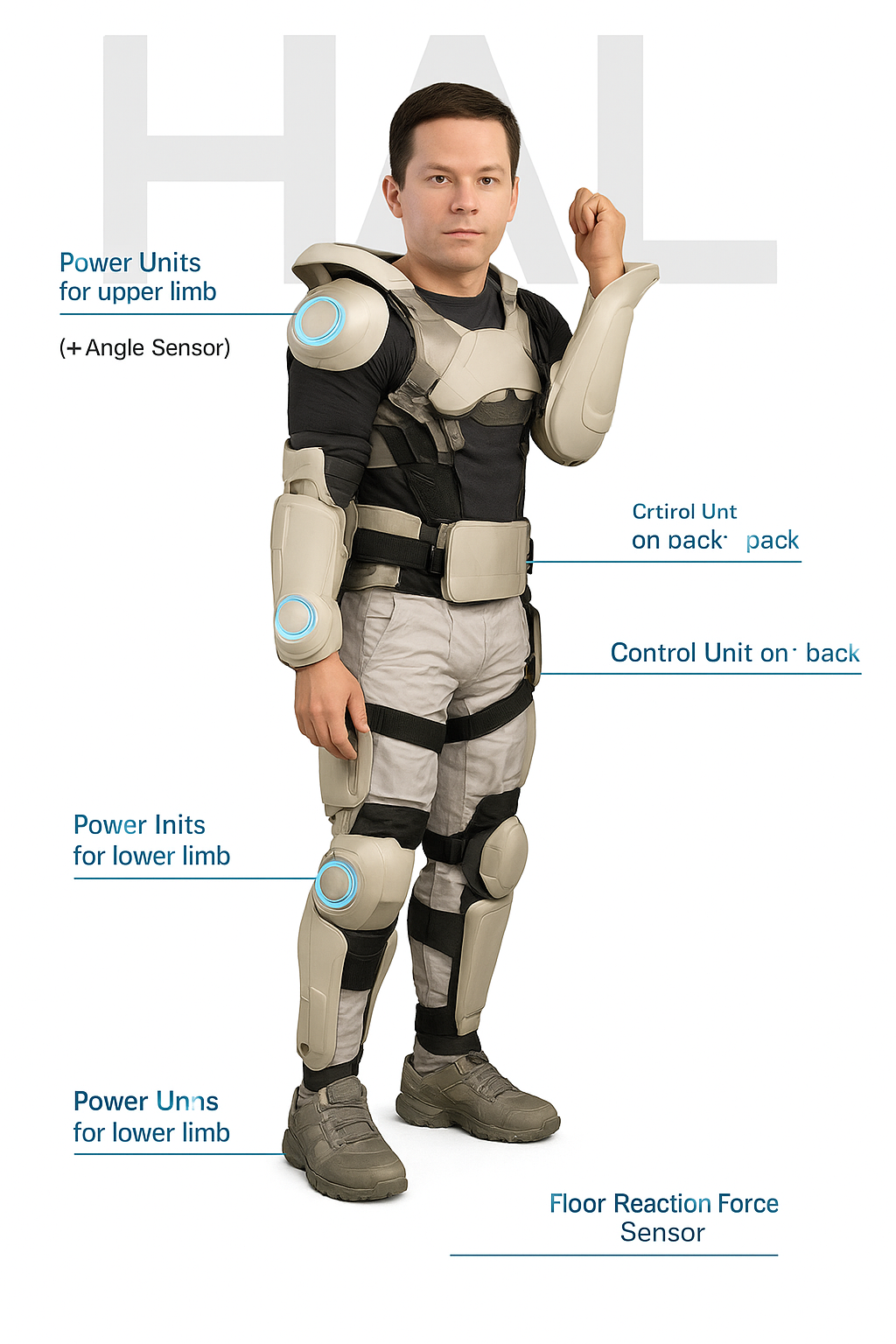
Among all these properties, The Six Million Dollar Man (1973–78) is perhaps the least feasible from a scientific standpoint. The series portrayed Colonel Steve Austin as a man rebuilt with bionic limbs and an enhanced eye after a near-fatal crash. While prosthetic technology has advanced considerably, humanity remains far from achieving the level of augmentation seen in the show. For example, early visual prosthetics such as the Argus II Retinal Prosthesis allowed partially blind users to detect light and shapes, but it was discontinued in 2020 due to cost and reliability issues (Haworth). Current exoskeletons, like those developed by ReWalk and Ekso Bionics, assist mobility but do not provide superhuman strength. Therefore, a reboot—tentatively titled The Six Billion Dollar Man—should emphasize realism: combining advanced prosthetics with powered exosuits that extend, rather than replace, human capability. Reports once linked actor Mark Wahlberg to this project, which Warner Bros. planned before development stalled (Variety). If revived, this approach could create a more grounded portrayal that resonates with modern audiences.
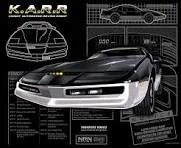
A consistent flaw in past reboots, such as Team Knight Rider (1997–98), was weak villain development. Villains should be more than disposable obstacles; they should drive the plot and challenge the protagonists’ values. For instance, an intelligent AI antagonist—like Knight Rider’s KARR or Airwolf’s Moffet—could unite these reboots under a shared narrative of humanity versus rogue technology. Such an approach aligns with current trends in speculative fiction that explore ethical concerns about artificial intelligence (Nature).
As for the UCU’s future, the key to longevity lies in innovation. While nostalgia attracts initial interest, audiences eventually demand new ideas. Reboots succeed when they evolve familiar material into something fresh and relevant. Airwolf, Knight Rider, Street Hawk, The A-Team, and The Six Million Dollar Man can all grow into richer, interconnected stories. If Universal Studios pursues this vision thoughtfully—honoring the past while embracing the future—the UCU could become a model for how classic TV universes thrive in the modern era.
Works Cited (MLA)
BBC News. “Flying Cars: The Race to the Sky.” BBC News, 15 Mar. 2023, www.bbc.com/news/technology-64923456.
Federal Aviation Administration. “Helicopter Aerodynamics.” FAA Helicopter Flying Handbook, U.S. Department of Transportation, 2020.
Haworth, Jon. “The Rise and Fall of the Bionic Eye.” ABC News, 12 Feb. 2022, abcnews.go.com/Technology/bionic-eye.
IMDb. “Street Hawk (TV Series 1985).” IMDb, 2024, www.imdb.com/title/tt0088618/.
MIT Technology Review. “China’s Smart Cities and AI Future.” MIT Technology Review, 20 May 2023, www.technologyreview.com/2023/05/20/china-smart-cities-ai/.
Nature. “Artificial Intelligence and the Ethics of Autonomy.” Nature, vol. 620, no. 7973, 2023, pp. 403–405.
U.S. Army Futures Command. “Bell V-280 Valor: The Future of Vertical Lift.” U.S. Army Press Release, 2023, www.army.mil/article/v280valor.
Variety. “Mark Wahlberg to Star in ‘The Six Billion Dollar Man.’” Variety, 1 Dec. 2018, variety.com/2018/film/news/six-billion-dollar-man-mark-wahlberg.